Mudroom and Garage Sink Architecture
Your garage and mudroom serve as the frontline defense between the outdoor elements and your home's interior. When your team or family tracks in heavy mud, industrial grease, or road salt, an unequipped entry point allows these contaminants to migrate straight into primary living spaces. This cross-contamination damages finished flooring, increases maintenance costs, and creates unnecessary cleaning work.

Building an effective washing station requires treating these high-traffic areas as strategic utility checkpoints. Deploying an impact-resistant utility sink right at the point of entry stops dirt, chemical residue, and heavy debris cold at the threshold.
Zone Identification
Setting up an effective intercept station starts with mapping your property's daily movement patterns. Placing a sink in a remote corner of your garage or mudroom reduces its daily usefulness and encourages people to skip the washing step entirely.

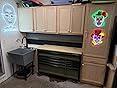
Analyze primary ingress and egress routes to pinpoint high-volume transit paths. Position your utility sink directly along these natural walking lines, ideally right next to the main entry door or garage access point. This placement creates an effortless transition zone where workers and family members can rinse off boots, clean messy tools, and wash hands before stepping onto clean indoor flooring.
Material Science Application
Standard porcelain or thin acrylic sinks simply aren't engineered to handle the heavy physical abuse common in garages and mudrooms. Dropping a heavy wrench, hitting the rim with a steel-toed boot, or pouring harsh cleaning solvents into delicate residential fixtures leads to immediate cracking, chipping, and chemical etching.

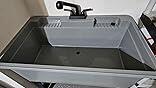
To guarantee maximum operational lifespan, mandate high-capacity thermoplastic basin materials for these high-traffic intercepts. Thermoplastic offers exceptional structural flexibility and impact resistance, absorbing heavy physical shocks without shattering or denting. This specialized material also resists chemical degradation from motor oils, paints, and harsh cleaning agents, maintaining a smooth, easy-to-clean surface through years of rigorous daily use.
Load-Bearing Calibration
A utility basin operates under significant static and dynamic stress. A large Utility Sink filled with 20 gallons of water weighs over 160 pounds, and adding heavy automotive parts or soaking equipment increases that downward force rapidly. Resting this weight on unanchored legs or weak drywall anchors creates an immediate tipping hazard.
Guaranteeing absolute stability under maximum load capacity requires anchoring your structural mountings directly into solid wall studs. Use heavy-duty steel mounting brackets and lag bolts to secure the rear frame of the unit to your home's timber or steel framing. For freestanding models, verify that the reinforced steel legs are locked tight and leveled, ensuring the unit won't wobble, shift, or pull away from the wall when fully loaded.
Securing Plumbing
Micro-leaks inside unfinished walls or behind garage cabinetry often go unnoticed for months, causing quiet wood rot, mold growth, and expensive structural damage. High-vibration environments, like garages with operating power tools or heavy machinery, can slowly loosen standard threaded plumbing fittings over time.

Finalize all incoming supply lines and under-sink P-trap connections using industrial-grade sealants and heavy-duty braided stainless steel hoses. Ensure every threaded joint is double-checked and sealed with Teflon tape or commercial pipe dope to maintain a watertight bond under variable water pressures. Securing your drainage assembly properly prevents vibration-induced loosening and keeps your subflooring completely dry.
Upgrade Your Mudroom and Garage
Ready to fortify your mudroom or garage with professional-grade utility hardware? Take advantage of our limited-time summer promotion to build a clean, high-efficiency intercept station today.
 Secure 10% Off the Promo Collection throughout July for new installations.