Utility Sink Placement Guide: Where to Install Yours
Finding the perfect spot for a utility sink matters just as much as choosing the right basin size or hardware configuration. A heavy-duty sink can completely transform your home's daily workflow, but only if it's placed in a location that directly supports your habits and provides easy access to existing plumbing connections.
Whether you're handling seasonal garden prep, scrubbing automotive grease, or bathing pets, strategic placement determines how much value you get out of your fixture. Here's a complete guide to evaluating the top locations in your home, assessing plumbing requirements, and choosing the right setup for your space.
1. The Laundry Room: The Classic Workhorse

The laundry room remains the most popular location for a utility sink, and for good reason. Placing a sink directly beside your washing machine creates an integrated cleaning station where you can handle every step of the garment care process in one place.
-
Plumbing Convenience: Installing a sink next to your washer allows you to easily share or tap into existing hot and cold water supply lines and the main drain stack. This proximity significantly reduces retrofitting costs.
-
Daily Efficiency: A laundry room sink gives you an immediate spot to pre-treat stubborn stains, hand-wash delicate fabrics, or submerge heavily soiled work clothes before running them through a cycle.
-
Drain Safety: Having an extra-deep basin right beside your machine provides a reliable secondary discharge option or safe overflow area during heavy wash loads.
When measuring your space, ensure you leave enough clearance between the sink rim and your appliance doors so you can transfer wet, heavy items directly out of the tub without dripping water across the floor.
2. The Garage or Workshop: Containing Heavy-Duty Messes

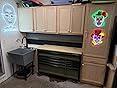
If your projects involve grease, paint, lawn care chemicals, or automotive fluids, placing a utility sink in your garage or workshop keeps harsh contaminants out of your indoor living areas completely.
-
Strategic Placement: Position the sink near your primary workbench or directly beside the main garage door. This placement allows you to clean up immediately after finishing a project or working in the yard.
-
Surface Protection: Washing paintbrushes, motor tools, or greasy hands in a heavy-duty garage basin protects your kitchen and bathroom fixtures from scratches, stains, and harsh chemical residue.
-
Workflow Support: Having dedicated water access right in your workspace speeds up cleanup time and prevents you from tracking dirt, oil, and metal shavings through the house.
Because garage environments face seasonal temperature swings, ensure your supply lines are properly insulated against cold drafts if you live in a region subject to freezing temperatures.
3. The Mudroom or Entryway: The Frontline Barrier

A mudroom serves as the primary buffer between the outdoors and your clean interior. Installing a utility sink right at this entry threshold stops dirt, mud, and water before it ever reaches your main living spaces.
-
High-Traffic Intercept: Mounting a sink beside the door everyone uses after sports practice, gardening, or outdoor play creates an immediate cleanup station for kids and adults alike.
-
Pet Care Hub: An elevated, extra-deep basin in the mudroom makes bathing small to medium pets manageable, eliminating the back strain caused by bending over a standard bathroom tub.
-
Outdoor Prep: Use your mudroom sink to rinse off garden vegetables, wash down muddy boots, or soak outdoor gear before storing it away.
Selecting a durable flooring material like porcelain tile, sealed concrete, or luxury vinyl around the sink area ensures that inevitable water splashes won't cause subfloor damage over time.
4. The Basement: Flexible Space for Heavy Tasks

Unfinished or semi-finished basements offer vast floor plans and easy access to exposed mechanical systems, making them ideal locations for a secondary or high-capacity utility station.
-
Exposed Plumbing Matrix: In most homes, main water heaters, sump pumps, and overhead drain pipes run directly through the basement. Tapping into exposed plumbing lines is often far simpler and less invasive than cutting through finished walls upstairs.
-
Crafts and Seasonal Cleanup: A basement sink gives you a dedicated area for messy hobbies, holiday decorating prep, or soaking large household items like window screens and floor mats.
-
Overflow Capacity: Having an extra sink in the basement provides essential backup water access during large family gatherings or seasonal deep-cleaning projects.
Ensure the basement floor around your installation is level, or choose a sink model with adjustable legs to compensate for sloped concrete foundations.
5. Outdoor Areas and Covered Patios: Seasonal Support
An outdoor or covered patio utility sink brings treated water access right into your yard, expanding your entertaining and gardening capabilities during warm summer months.
-
Gardening and Harvest: A patio sink lets you wash dirt off fresh garden produce, pot plants, and rinse soil off hand tools without making a mess indoors.
-
Grilling and Entertaining: Having running water near your outdoor cooking station makes washing food prep trays, grill grates, and serving utensils quick and convenient.
-
Summer Cleanups: An outdoor station provides a quick spot for kids to wash off sand, pool water, or mud after playing outside all day.
If you install a sink outdoors, choose weather-resistant materials like high-grade thermoplastics or stainless steel, and include a simple shut-off and drain valve inside your home so you can fully drain the lines before winter.
Plumbing and Structural Considerations
Before finalized placement, double-check that your chosen location meets these foundational plumbing and structural requirements:
-
Water Supply and Drainage: Keep the sink as close to a main supply line and waste stack as possible. Long horizontal drain runs require adequate slope and proper venting to prevent slow drainage and sewer gas backup.
-
Wall Anchoring: Freestanding tubs on steel legs need to be securely anchored to wall studs or the floor to prevent shifting when filled with dozens of gallons of heavy water.
-
Flooring Type: Place your sink on water-resistant, non-porous surfaces that withstand heavy use and constant moisture exposure.
Freestanding vs. Wall-Mounted vs. Cabinet Vanities

|
Sink Style |
Best Location Fit |
Primary Advantage |
|
Garages, Basements, Mudrooms |
Rugged, affordable, and easy to position on concrete or utility floors. |
|
|
Finished Laundry Rooms, Mudrooms |
Hides plumbing lines and provides enclosed storage for cleaning supplies. |
|
|
Tight Hallways, Small Workbenches |
Frees up clear floor space underneath the basin for easier cleaning. |
Match Your Placement to Your Daily Work
The absolute best location for a utility sink is the one that solves your biggest daily pain point. If stain pre-treatment and laundry sorting take up most of your time, keep your sink right beside your washing machine. If outdoor project mess or muddy paws are your biggest headache, set up your station near the garage or mudroom door. By aligning your sink location with your household routines and existing plumbing infrastructure, you build a functional, long-lasting setup that keeps your home running smoothly.
Find the right sink for your space at Utility Sink.