Cómo proteger tu plomería de la pelusa y los desechos
Pequeños pasos de prevención que evitan grandes reparaciones
La pelusa es sigilosa. No siempre la ves, pero se acumula con el tiempo. Se acumula en los sifones de drenaje, se adhiere al interior de las tuberías y se agarra al cabello, la suciedad y la película de jabón. Eventualmente, un desagüe que solía funcionar bien comienza a ralentizarse. Luego, se producen atascos, olores o una obstrucción que necesita una solución real.
La buena noticia es que puedes prevenir la mayoría de los problemas de drenaje relacionados con la pelusa con algunos pequeños hábitos y una mejor configuración del fregadero utilitario. Esta guía desglosa lo que la pelusa le hace a las tuberías y lo que puedes hacer al respecto, a partir de hoy.
Cómo afecta la pelusa a los sistemas de drenaje

La pelusa no es como los restos de comida que se descomponen. Se comporta más como una red. Atrapa otros desechos y crea una obstrucción blanda que sigue creciendo. También puede retener la humedad, lo que provoca acumulación y olor.
Con el tiempo, la pelusa puede:
-
Ralentizar el flujo de agua y causar agua estancada en el fregadero
-
Aumentar las obstrucciones en el sifón y la línea de drenaje
-
Atrapar cabello, suciedad y pequeños sólidos que empeoran las obstrucciones
-
Crear residuos más difíciles de eliminar con un simple enjuague
Si alguna vez has sacado un trozo de pelusa y cabello de un desagüe, ya sabes lo denso que puede llegar a ser. Por eso, la prevención es más importante que la reacción.
Por qué las áreas de lavandería son vulnerables
Los cuartos de lavandería crean la tormenta perfecta. Combinan fibras de tela, jabón y agua de enjuague sucia en un solo espacio.

He aquí por qué la pelusa se acumula más rápido en las zonas de lavandería:
-
Enjuague frecuente: el pretratamiento de manchas y el enjuague de trapos envían fibras por el desagüe
-
Desechos más pesados: las toallas embarradas, las mantas de mascotas y los paños de limpieza transportan suciedad y arena
-
Película de jabón y suavizante: los residuos pueden ayudar a que la pelusa se adhiera a las paredes de las tuberías
-
Temporadas ocupadas: las vacaciones y el invierno traen más ropa, más toallas y más lavados
Incluso si solo enjuagas "a veces", la acumulación es acumulativa. Una pequeña cantidad cada semana se suma rápidamente.
El papel de una configuración adecuada del fregadero
Una buena configuración del fregadero utilitario hace dos cosas. Mantiene los desechos fuera de tus tuberías y facilita la limpieza para que realmente mantengas el espacio.
Comienza con el fregadero en sí. Un fregadero utilitario dedicado mantiene las tareas con mucha pelusa fuera de la fontanería de tu cocina y baño. Eso por sí solo reduce la tensión en los desagües principales de tu hogar.
Luego, agrega las piezas que protegen el sistema:
-
Un colador o cesta para el fregadero para atrapar sólidos antes de que lleguen al sifón
-
Una configuración de captura de pelusa para enjuagar paños, cabezales de trapeador y mantas de mascotas
-
Una "zona de limpieza" despejada para que no te apresures y arrojes los desechos al desagüe
El objetivo es simple. Atrapa la pelusa antes de que entre en la tubería. Mantén el desagüe fluyendo libremente. Reduce la cantidad de basura que puede acumularse con el tiempo.
Consejos sencillos de mantenimiento para la longevidad
No necesitas rutinas complicadas. Los pequeños hábitos realizados de forma constante son la mejor protección.
Enjuaga la cubeta después de un uso intensivo.
Esto mueve las fibras sueltas al colador para que puedas desecharlas. También evita que los residuos se sequen en el recipiente.
Vacía los coladores con frecuencia.
No dejes que la pelusa se asiente y se descomponga. Tírala a la basura y enjuaga la cesta.
Haz un enjuague semanal con agua caliente.
Haz correr agua caliente durante 30 a 60 segundos para ayudar a que la película de jabón y la acumulación ligera pasen por la línea.
Evita arrojar desechos pesados.
Sacude primero las alfombras y los paños embarrados al aire libre. Limpia las herramientas grasientas con un trapo antes de enjuagar.
Mantente al tanto de los desagües lentos.
Si notas que el desagüe se ralentiza, soluciónalo temprano. Las soluciones tempranas son más fáciles que los atascos completos.
Un desagüe más limpio significa menos atascos y menos desgaste en tu sistema de plomería con el tiempo.
Elegir la configuración utilitaria adecuada
La mejor configuración es la que se adapta a tu espacio y rutina. Aquí tienes formas sencillas de elegir.
¿Necesitas un aspecto acabado con almacenamiento oculto?
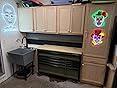
Un combo de gabinete y fregadero mantiene los suministros guardados. Esto ayuda a mantener el área limpia y reduce el desorden que conduce a limpiezas apresuradas.
¿Necesitas más espacio para lavados voluminosos?
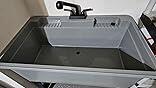
Una cubeta ancha te da espacio para mantas de mascotas, equipo deportivo y grandes trabajos de enjuague. También reduce las salpicaduras, por lo que es menos probable que inundes el suelo.
¿Necesitas ahorrar espacio en el suelo?

Un fregadero montado en la pared mantiene el suelo despejado. Te da espacio debajo para un pequeño cubo o cesta y facilita la limpieza.
Elijas lo que elijas, configúralo como una estación. Mantén tu colador en su lugar. Ten un cepillo y guantes cerca. Ten las herramientas de gestión de pelusas al alcance de la mano. Cuando todo es fácil de agarrar, usas el sistema correctamente.
La pelusa y los desechos dañan los sistemas de drenaje lentamente con el tiempo. Reducen el flujo, atrapan residuos y aumentan el riesgo de obstrucciones. Una configuración de fregadero utilitario dedicada ayuda a prevenir estos problemas al mantener las tareas con mucha pelusa fuera de los desagües de la cocina y el baño. Hábitos simples como el uso de coladores, el enjuague con agua caliente y la limpieza de rutina protegen la plomería y extienden el rendimiento a largo plazo.
Compra fregaderos utilitarios y obtén un juego de cubos de pelusa gratis en pedidos de $100 o más
Mejora tu espacio utilitario y protege tus tuberías al mismo tiempo. Por tiempo limitado, puedes obtener un juego de cubos de pelusa gratis en pedidos de $100 o más.
Compra fregaderos utilitarios y obtén un juego de cubos de pelusa gratis en pedidos de $100 o más
Las mejoras inteligentes de hoy evitan reparaciones costosas mañana.