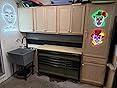
How to Winterize Your Garage Utility Sink (and Avoid Frozen Pipes)
A garage utility sink makes messy chores easy all year long. You can rinse muddy boots, wash paintbrushes, and clean garden tools without tracking dirt inside. When winter arrives, though, that handy setup turns into a real plumbing risk. Learning how to winterize a utility sink before the first hard freeze saves you from burst pipes, soaked drywall, and costly repairs.
Why Unheated Garages Are Risky in Winter
Most garages don't have the same insulation or steady heat as the rest of your home. Even an attached garage can drop below 32 degrees Fahrenheit overnight when temperatures plunge. Cold air sneaks in under garage doors, around drafty windows, and through uninsulated exterior walls.
Water expands by about 9 percent when it freezes. Inside a closed copper, PEX, or PVC pipe, that expansion builds massive pressure. One overnight cold snap is enough to crack a supply line or split a faucet valve, leaving a leak hidden until the ice melts.
To prevent frozen pipes, garage plumbing needs prep before winter settles in. You can shut the sink down for the season or protect the lines so you can keep using it.
Shut Off and Drain the Supply Lines
If you won't need your garage sink during winter, shutting off the water is the safest move. Empty pipes can't freeze or burst.

-
Find the indoor shut-off valves. Trace the hot and cold lines back into a heated area, like a basement, crawl space, or utility room. Turn both valves clockwise until they stop.
-
Open the faucet. Turn both hot and cold handles all the way on to release pressure and drain trapped water into the basin.
-
Drain the low points. Check your shut-off valves for small bleed caps on the side. Put a bucket underneath, unscrew the cap, and let leftover water trickle out.
-
Disconnect flexible hoses. In bitterly cold climates, unscrew the braided supply lines under the sink with a wrench and shake out trapped drops.
-
Leave the faucet open. Keep both handles open all winter so any lingering moisture can expand without pressure buildup.
Disconnect pull-out sprayers and garden hose attachments too. Trapped water inside a coiled sprayer hose freezes fast and can crack the plastic head.
Clear the P-Trap
Even after draining the supply lines, water still sits in the curved U-shaped pipe under your sink. That P-trap blocks sewer gas from entering your garage, and standing water inside it can freeze and split the curve.
You have two solid options:
-
Empty the trap. Place a bucket under the U-bend, loosen the slip nuts by hand or with pliers, and dump the water. Reattach the trap, then plug the drain with a rubber stopper or loose rag to block sewer odors.
-
Add non-toxic plumbing antifreeze. Pour half a gallon of RV or marine antifreeze down the drain. It displaces standing water and keeps the trap sealed without freezing. Never use automotive antifreeze, which is toxic and unsafe for home drains.
Insulate Exposed Pipes
If you plan to use your garage sink in winter, or if your lines run along an exterior wall, pipe insulation is essential. Foam sleeves are affordable, quick to install, and effective in mild to moderate cold.

-
Measure your pipes first. Check whether you have 1/2-inch or 3/4-inch lines so the foam fits snugly.
-
Wrap hot and cold lines. Slide pre-slit foam sleeves over all exposed piping behind and under the sink. Seal the seams tightly with electrical or duct tape.
-
Cover bends and valves. Cut foam at 45-degree angles to fit neatly around elbows and corners. Wrap the P-trap too if the sink stays active.
-
Seal wall gaps. Cold drafts blowing through pipe holes can freeze a line fast. Fill gaps around wall openings with expanding foam or silicone caulk.
Keep your garage door closed as much as possible during cold snaps. Every time it opens, freezing air rushes straight toward your plumbing.
Heat Tape and Space Heater Safety
When foam insulation isn't enough for deep freezes, active heat adds extra protection when used safely.

-
Choose self-regulating heat tape. Pick UL-listed heat cable that adjusts its warmth based on air temperature. Run it straight or wrap it according to package directions, and never overlap the tape over itself, which can cause overheating and fire.
-
Check insulation compatibility. Read the cable label before covering heat tape with foam or fiberglass. Some products allow wrap on top, while others need open air.
-
Keep space heaters clear. A portable heater can keep your garage above freezing during a cold snap, but never leave one unattended or aimed directly at plastic pipes or clutter. Keep heaters at least three feet from flammable items, and plug them straight into a wall outlet instead of an extension cord.
When to Keep a Faucet Dripping
What if an unexpected freeze hits before you've shut the sink down? Letting the faucet drip buys you time.
Moving water takes longer to freeze than standing water. Better yet, an open drip relieves pressure inside the pipe if ice starts to form, which helps keep the line from splitting.
Turn both the hot and cold knobs just enough for a slow, steady trickle, roughly the width of a pencil lead. Run this drip overnight whenever garage temperatures dip below freezing, and make sure your drain stays clear so the tub won't overflow.
Spring Startup Checklist
When freezing weather passes for good, take five minutes to bring your garage sink back online safely:
-
Close the faucet handles. Turn both hot and cold knobs all the way off.
-
Reconnect removed parts. Tighten bleed caps on your shut-off valves, reattach braided supply lines, and pull out any drain stoppers or rags.
-
Open indoor valves slowly. Turn the shut-off valves counterclockwise a little at a time. Opening them slowly prevents water hammer, a sudden pressure surge that rattles pipe joints.
-
Flush the lines. Run hot and cold water for one to two minutes to clear air pockets, flush out RV antifreeze, and rinse away loose sediment.
-
Check for leaks. Wipe a dry paper towel around every joint, valve, supply hose, and P-trap nut to confirm everything stays dry.
Ready for Every Season
Taking an hour to winterize your utility sink protects your garage from water damage and keeps your setup reliable year after year. Whether you're replacing a cracked tub or upgrading to a heavy-duty freestanding basin, starting with durable gear makes seasonal upkeep simple.
Shop Utility Sink to find freestanding, wall-mounted, and double-wide utility sinks built for tough garage and workshop jobs.