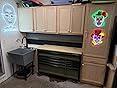
Structural Requirements for High-Capacity Sink Installation
Why Structural Readiness Matters
When you plan a utility room upgrade, it is easy to focus entirely on the exterior finish or the faucet style. You cannot afford to overlook the technical infrastructure supporting the unit. A high-capacity station handles immense weight and water pressure on a daily basis.
If your floor, plumbing lines, and structural anchors are not prepared for the load, you risk dealing with warped joints, slow leaks, and sagging foundations. Addressing these core mechanical requirements before installation ensures your new system operates flawlessly and protects your property from water damage.
Load-Bearing Foundations
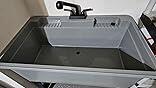
A large utility sink holds a significant amount of water. Because water weighs roughly 8.3 pounds per gallon, a fully filled 20-gallon tub easily exceeds 160 pounds of downward force. This total does not even include the weight of the heavy thermoplastic basin itself or the tools you place inside it.

Before setting up your system in a basement or garage, you must assess the stability of the subfloor. Solid concrete slabs provide the ideal foundation because they do not flex or sag under stress. If you are installing the unit on a wooden joist system, inspect the timber for signs of rot or moisture damage. You need to verify that the joists are structurally sound enough to bear a concentrated, static load without bowing over time.
Drainage Velocity and Waste Management
High-capacity basins are designed to dump large volumes of water quickly. If your drainage pipe is too narrow or lacks the proper pitch, water will back up into the tub, leaving a layer of sludge and grit behind.

Managing this outflow requires matching your tub with a high-velocity drainage kit. Standard residential drains often struggle with the sediment, hair, and debris common in utility workflows. Implementing a smooth, wide-diameter trap assembly maximizes drainage velocity and prevents clogs. Maintaining a steep, consistent downward slope toward your main waste line ensures that heavy sediment flows out of the building instead of settling in the pipes.
Supply Line Pressure Standards
Utility areas located in garages, she
ds, or unfinished basements often face extreme temperature swings. Standard rubber supply hoses degrade quickly under these conditions, stiffening in the winterand stretching during hot summer months. This wear creates weak points that can lead to catastrophic bursts when water pressure spikes.

To eliminate this risk, always choose premium braided stainless steel supply lines. The woven steel jacket protects the inner tubing from expanding under high pressure and resists punctures from impact. These lines provide a reliable water feed, maintain consistent pressure at the faucet, and withstand freezing drafts in unheated spaces.
Precision Leveling and Anchoring
Unfinished utility floors are rarely perfectly flat. If you place a heavy vanity unit on a sloped garage or laundry floor, the weight of the water shifts unevenly. This imbalance puts intense stress on the structural joints of the cabinet and can cause the drainage connections to twist out of alignment, creating slow, hidden leaks.
Achieving a stable setup requires precise leveling and anchoring.

Adjust the Leveling Feet: Use a spirit level across the rim of the basin and turn the adjustable leg glides until the unit sits completely level from front to back and side to side.
Secure to Wall Studs: Do not rely solely on gravity to keep the station in place. Use heavy-duty brackets to anchor the back of the vanity cabinet directly into your wall studs.
Seal the Joints: Apply a bead of commercial silicone caulk along the wall joints to stop water from slipping behind the cabinet and loosening your hardware anchors.
Secure Your Installation Savings
Building a reliable utility station requires the right foundation and the right hardware. Upgrade your facility this month with our professional-grade vanity kits, featuring robust cabinet structures and deep, high-capacity basins built for demanding tasks.

Get $40 Off Your Vanity Upgrade
Engineered for long-term structural reliability.