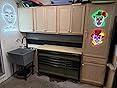
Winterizing Your Utility Sink: A Pre-Freeze Checklist
As autumn weather shifts into winter, freezing temperatures present a serious threat to your home's plumbing.Unheated or semi-heated spaces like uninsulated basements, detached garages, workshops, and outdoor-adjacent mudrooms are vulnerable to sudden freezes. When water trapped inside plumbing lines turns to ice, it expands with immense force, leading to cracked pipes, ruptured supply hoses, and costly water damage.
Your utility sink is often your home's frontline defense for heavy-duty winter prep. Because these basins are frequently installed in utility corners or along exterior walls, they require proactive care before the first major freeze arrives. Taking just 30 minutes to properly winterize your workstation prevents pipe bursts and keeps your plumbing running smoothly all winter long.
Here is a complete step-by-step checklist to protect your utility sink setup before freezing temperatures hit.
1. Identify Which Sinks Are at Risk
Not all indoor plumbing fixtures face the same exposure level during extreme cold spells. Understanding your home's thermal zones helps you prioritize which utility stations need immediate winterization.

-
Garage and Workshop Sinks: Sinks positioned in unheated garages or detached workshops are at the highest risk. Ambient temperatures inside these structures drop rapidly once outdoor temperatures dip below freezing.
-
Basement Sinks Near Exterior Walls: Below-grade basements stay insulated by the surrounding earth,but utility sinks installed directly against foundation walls or near uninsulated rim joists are exposed to cold drafts.
-
Mudroom and Laundry Room Sinks: Utility stations located right beside exterior transition doors,crawlspaces, or unheated utility closets experience frequent cold air blasts every time the door opens.
2. Insulate Supply Lines and Drain Traps
Insulation provides a critical thermal barrier against freezing air drafts circulating through unheated rooms or wall cavities.
-
Foam Pipe Insulation: Wrap exposed hot and cold copper or PEX water supply lines with pre-slit foam pipe insulation sleeves. Secure the seams tightly with heavy-duty electrical or duct tape to eliminate gaps where cold air can penetrate.
-
Protect the P-Trap: Water permanently sits inside the curved P-trap beneath your sink basin to block sewer gases from entering your home. In unheated garages, wrap the plastic or metal drain trap with thermal insulation.
-
Plumbing Antifreeze for Extreme Cold: If a garage sink sits in below-freezing temperatures for extended periods without heat, pour non-toxic RV/marine plumbing antifreeze into the drain trap to prevent the trapped water from freezing solid and splitting the plastic assembly.
3. Shut-Off and Drain-Down Steps for Unused Sinks
If your garage or workshop utility sink remains completely unused throughout the winter months, shutting down the water feed entirely is the safest defense against burst pipes.

-
Close Isolation Valves: Locate the dedicated shut-off valves on the hot and cold supply lines leading to the utility sink. These are usually located indoors in a heated section of the basement or utility closet.
-
Open the Faucet Handles: Turn both faucet handles to the full open position to release residual line pressure.
-
Drain Remaining Water: Open the small drain cap on the side of your isolation valves if equipped and let residual water drain into a small bucket. Leaving faucet handles open throughout winter allows any remaining water to expand harmlessly without pressure buildup.
4. Check for Leaks and Worn Supply Lines
Cold weather puts extra stress on flexible rubber, plastic, and metal components. Conducting a thorough pre-winter inspection prevents subtle drips from turning into major frozen blockages.
-
Inspect Braided Supply Lines: Examine the flexible stainless steel or rubber supply hoses connecting your wall shut-offs to the faucet shanks. Look for signs of cracking, fraying, or mineral crusting near the threaded connections.
-
Check Faucet Aerators and Valves: A slow, dripping faucet in freezing conditions can freeze inside the spout, creating an ice plug that backs up water pressure into the main line. Replace worn internal ceramic cartridges or rubber washers if you notice any persistent drips.
-
Inspect the Basin Rim: Ensure the seal between the sink basin rim and wall backing remains intact to keep cold drafts from seeping through wall framing around plumbing penetrations.
5. Freestanding Sinks: Disconnect Hoses Safely
Many high-capacity freestanding utility sinks feature garden hose adapters or pull-down sprayer attachments that hold water inside their lines.

-
Remove Garden Hoses Immediately: If your utility faucet features a 3/4-inch garden hose connector or is hooked up to an outdoor line, disconnect the hose completely before sub-freezing weather arrives.Leaving a filled garden hose attached prevents water from draining out of the faucet body, causing internal valve housings to crack as ice forms.
-
Drain Pull-Down Sprayer Hoses: Extend flexible pull-down sprayer hoses fully, shake out trapped water inside the spray head, and let the hose drain completely back into the main basin before storing it.
-
Clear Storage Compartments: If your sink is part of a vanity cabinet setup, ensure chemicals, water-based cleaners, or liquid detergents stored in the lower cabinet are moved to a heated space so bottles do not freeze and burst inside the unit.
6. The Spring Restart Checklist
When warmer temperatures return in the spring, reversing your winterization routine ensures a smooth, leak-free system startup.
-
Close All Faucet Valves: Turn all faucet handles back to the off position.
-
Slowly Open Water Isolation Valves: Reopen the main indoor supply valves slowly. Opening valves gradually prevents sudden water-hammer pressure surges that can damage pipe joints.
-
Flush the Lines: Run both hot and cold water through the faucet for 1 to 2 minutes to clear out air pockets, dislodge any loose mineral scale, and flush out any plumbing antifreeze from the drain trap.
-
Inspect for Seeps: Check all supply connections, P-trap joints, and shut-off valves with a dry paper towel to verify there are no hidden leaks.
Protect Your Home's Plumbing
Winterizing your utility sink is a simple, highly effective maintenance task you can perform for your home. By insulating supply lines, clearing out trapped water from hoses, and properly shutting down unheated seasonal units, you protect your plumbing infrastructure from severe winter damage and ensure your workstation is ready for heavy-duty spring cleanup.
Need a sink built for heavy use? Shop at Utility Sink