How to Choose the Right Utility Sink for Your Space
Choosing the right utility sink comes down to three things: your available space, what you plan to use the sink for, and the installation style that fits your room. Utility sinks come in a few main configurations, and each one solves a different problem. Some prioritize flexibility. Some prioritize floor space. Some prioritize storage and a clean, finished look.
This guide breaks down the most common sink types and the features that matter most, so you can choose confidently.
Freestanding Utility Sinks

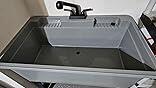
Freestanding utility sinks are the classic workhorse option. They sit on legs, install easily in many layouts, and provide good access around the basin. This makes them a strong choice for laundry rooms and garages where you want a simple, reliable wash station.
In a laundry room, a freestanding sink is great for pre-soaking stains, rinsing muddy clothes, and filling cleaning buckets. In a garage, it becomes a quick cleanup hub for tools, paint brushes, and project mess.
Freestanding sinks are also flexible. If you ever rework the room, it is easier to adjust placement than with a built-in cabinet setup. They are a good fit when function matters most and you want a straightforward install.
Wall Mounted Sink Options

Wall-mounted sinks are all about saving space and improving flow. They attach to the wall and keep the floor open beneath the basin. That is a big advantage in smaller laundry rooms, narrow mudrooms, and compact work areas where every inch matters.
Because the floor stays open, wall-mounted sinks also make cleaning easier. You can sweep and mop under them without moving a base or working around cabinet legs. They also work well near an entry where you want clear walking space and quick rinse access for boots, pet paws, or sports gear.
Wall-mounted sinks are a smart choice when you want a sink station but do not want it to dominate the room.
Sink and Cabinet Combinations

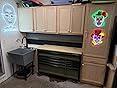
Cabinet sink combos give you the most “finished” look. They also solve the biggest utility room problem: clutter. The cabinet base provides storage for detergents, stain removers, brushes, gloves, and spare towels. This keeps counters clear and makes the space feel calmer.
In laundry rooms, cabinet setups are popular because they support a cleaner workflow. Supplies stay tucked away, but still close to the action. In mudrooms, cabinet sinks can help manage daily mess without turning the area into a drop zone.
If you want your utility space to feel organized and polished, a cabinet sink combo is often the best option.
Features to Consider
Once you pick an installation style, focus on the features that affect daily use.
Faucet compatibility
A high-arc or pull-down faucet improves reach and control. It makes it easier to rinse corners, fill tall buckets, and wash bulky items. Confirm the faucet holes or mounting style match your chosen sink.
Basin depth and size
Depth helps contain splashes and gives you soaking space. Width helps with larger items like pet gear, paint trays, and sports equipment. If you rinse bulky items often, consider a wide tub style.
Durability and cleaning ease
Utility sinks should handle bumps, grime, and frequent cleaning. Look for materials that resist staining and hold up under regular use. A sink that wipes clean easily will stay looking better for longer.
Room workflow
Think about where water drips will land and where supplies will live. A floor mat, towel hooks, and a small caddy can make any sink feel more usable. Storage nearby helps the station stay tidy.
Finding the Best Sink for Laundry Rooms, Garages, and Mudrooms
The right utility sink depends on how you use the room. Freestanding sinks offer flexibility and a simple install. Wall-mounted sinks save space and keep floors open. Cabinet combos provide storage and a clean appearance. When you choose based on layout, plumbing, and daily tasks, you get a setup that feels easier every week.